-Caleb Wilson
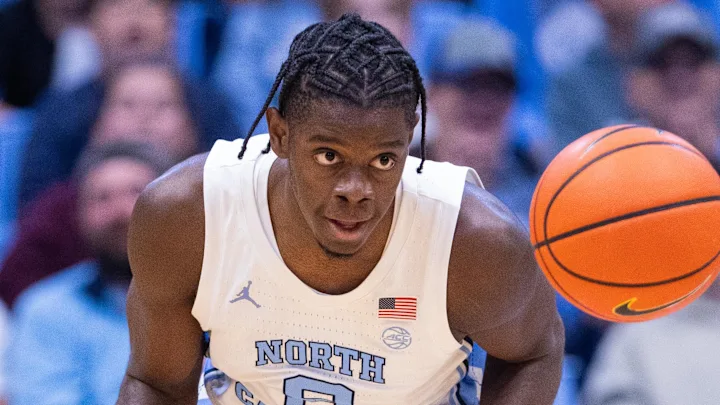
Caleb Wilson, known for his defensive versatility and basketball intelligence, lives by a simple truth: “If you want to play defense, you will. I approach defense like it’s the most important thing on the court.” This quote reveals what separates great defenders from average ones—defense isn’t about talent or athleticism alone. It’s about want, focus, and basketball IQ. Anyone can play good defense if they commit their mind to it. The problem is most players don’t want to, and the ones who do often rely only on effort instead of thinking.
Wilson’s defensive success comes from his understanding that elite defense is 70% mental and 30% physical. You can be the fastest player on the court, but if you don’t know where to be or what your opponent wants to do, you’ll get beaten repeatedly. Smart defenders study tendencies, anticipate actions, and position themselves two steps ahead. They don’t just react—they think, then react. That’s defensive IQ, and it’s the difference between good effort and game-changing defense.
Most young players think defense is just guarding your man and trying hard. That’s only the beginning. Real defensive IQ means reading the entire court: knowing when to help and when to stay home, recognizing offensive plays before they develop, understanding your opponent’s strengths and weaknesses, communicating rotations before the ball moves, and making decisions that disrupt the offense’s flow. These mental skills turn average defenders into defensive stoppers.
Here’s what Wilson understands: defense is a choice. Every possession, you decide whether to give maximum mental and physical effort or coast and hope you don’t get exposed. Great defenders approach every possession like it’s the championship game. They study film to know opponents’ tendencies. They talk constantly on defense to keep teammates connected. They take pride in stops the same way scorers take pride in buckets. That mindset—treating defense like the most important thing—changes everything.
The Scouting Report Challenge – Before your next game, watch film or observe your opponent during warm-ups. Identify three things: (1) Which hand do they favor? (2) What’s their go-to move? (3) Do they drive or shoot when open? Write these down or memorize them. During the game, use this information to take away their strengths. After the game, evaluate whether your scouting helped you defend better. Defensive IQ starts with preparation—great defenders do their homework before the game even starts.
The Mistake Autopsy – After each defensive possession (in practice or games), immediately replay the possession in your mind. If the offense scored, identify the exact moment the defense broke down. Was it a missed rotation? Poor closeout? Breakdown in communication? Lost assignment? Write it down after practice. Review your list weekly to identify patterns in your defensive mistakes. You can’t fix what you don’t recognize—this drill builds the habit of learning from every defensive breakdown in real-time.
The Post-Game Film Session – After every game, watch 5-10 defensive possessions where you were on the court. Focus only on YOUR defensive decisions, not your teammates’. For each possession, grade yourself: Did you help at the right time? Were you in the right position? Did you communicate? Did you anticipate or just react? Write down one thing you did well and one thing to improve. This builds self-awareness and accountability—the foundation of defensive IQ. Over time, you’ll develop the ability to self-coach and correct mistakes before they become habits.
The Shadow Defense Drill – Partner with a teammate or coach who has the ball. They perform various offensive moves (jab steps, shot fakes, drive attempts) while you defend without fouling or reaching. Your goal is to mirror their movements perfectly and stay in front without biting on fakes. After each move, they tell you what they were trying to get you to do (bite on the fake, open your stance, back up too far). This teaches you to read body language, stay disciplined, and recognize what offensive players are trying to manipulate you into doing. Elite defenders don’t get fooled—they see the setup coming.
The Voice-Active Defense Drill – Play 1-on-1 or 2-on-2 where you must verbally communicate your defensive actions constantly. Call out “Ball pressure!”, “Deny the pass!”, “I’m on your left hip!” or “Help side!” as you move. If you go more than 3 seconds without talking, reset the possession. This forces you to think out loud about your defensive positioning and decision-making. After a week of this drill, defensive communication becomes automatic in games. Defenders who talk are smarter because they’re constantly processing and announcing their intentions.
Close-Out Decision Making – Work with one partner who has the ball at the three-point line. Sprint from the paint to close out on them. Before you arrive, they’ll make a decision: shoot, drive, or shot fake. Your job is to read their body language (shoulders squared = shooter, ball low and hip turned = driver, eyes still on you = fake coming) and adjust your close-out technique accordingly. Do 15-20 reps and track how many times you made the right read. Film yourself if possible to see what cues you’re missing. This drill sharpens your ability to process information quickly and make smart split-second decisions
Caleb Wilson doesn’t just “try hard” on defense—he outthinks his opponents. But here’s where most young players fail: they think defense is about effort alone. They run around, contest shots, and call it good defense. But without defensive IQ, you’re just chasing. You’re a step behind. You’re reacting instead of dictating. Real defense is about controlling what the offense can do before they even try to do it.
Defense is the one part of basketball where wanting it is enough to make you good, but adding IQ makes you elite. You don’t need to be the fastest or strongest player to be a great defender. You need to be the smartest—the one who studies opponents, anticipates actions, communicates constantly, and positions perfectly. That’s defensive IQ, and it’s completely in your control.
Wilson is right: if you want to play defense, you will. But the question isn’t just whether you’ll try—it’s whether you’ll think. Are you approaching defense like it’s the most important thing on the court? Are you using your mind to shut down opponents, or are you just using your legs? Great defenders dominate with their brains first, their bodies second. Which kind of defender will you be?
Organizations We’ve Worked With